Why Guatemala?

Where essential care is hardest to reach

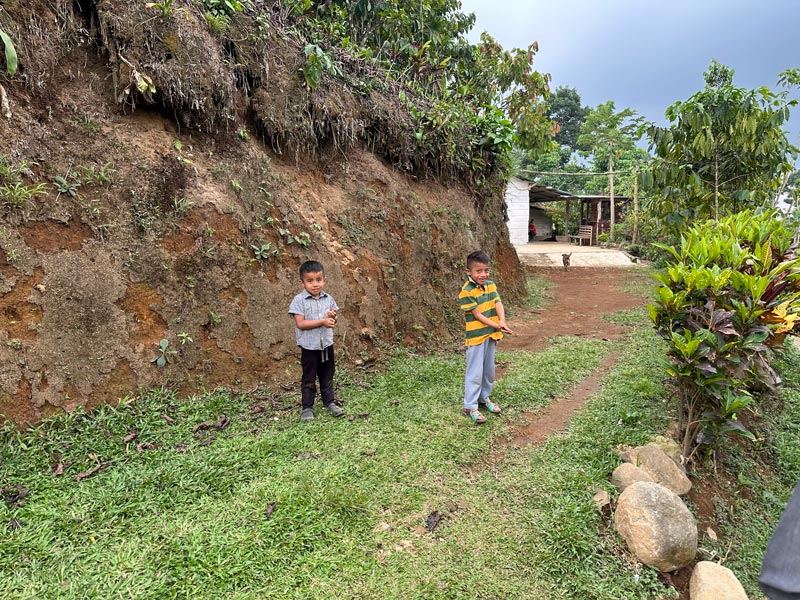
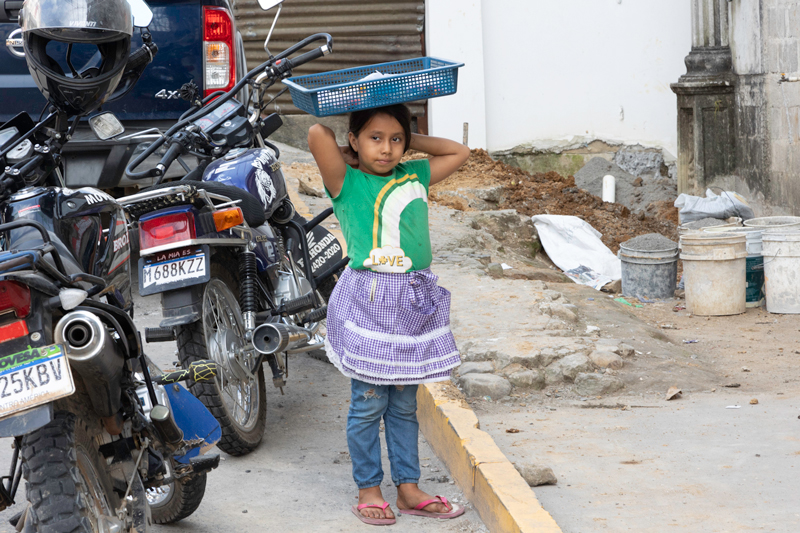
In rural western Guatemala, barriers like poverty, distance, and language prevent families from receiving even basic care. Here, the need is urgent, and the opportunity to make a difference is real.

Why Guatemala?

Where essential care is hardest to reach
In rural western Guatemala, barriers like poverty, distance, and language prevent families from receiving even basic care. Here, the need is urgent, and the opportunity to make a difference is real.

Barriers to Care

Families in rural western Guatemala face overlapping challenges that make access to care difficult at every level.

Distance, cost, and limited resources often delay treatment until conditions become serious, while specialized services remain out of reach for many.

Discover HdlFF

Why Nuevo Progreso?

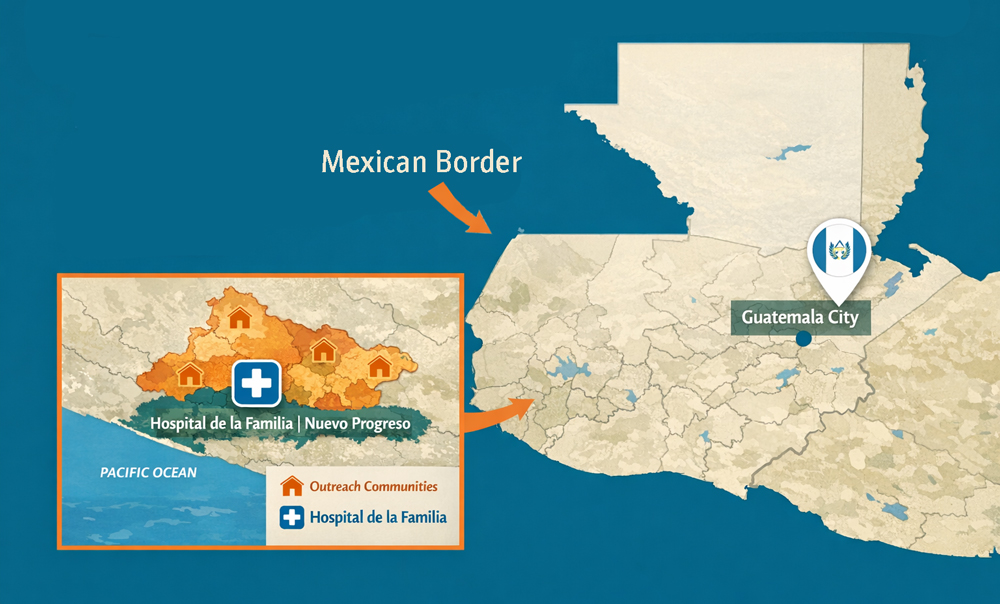
Nuevo Progreso sits in the heart of this underserved region, where the need for available, high-quality healthcare is greatest and alternatives are few.

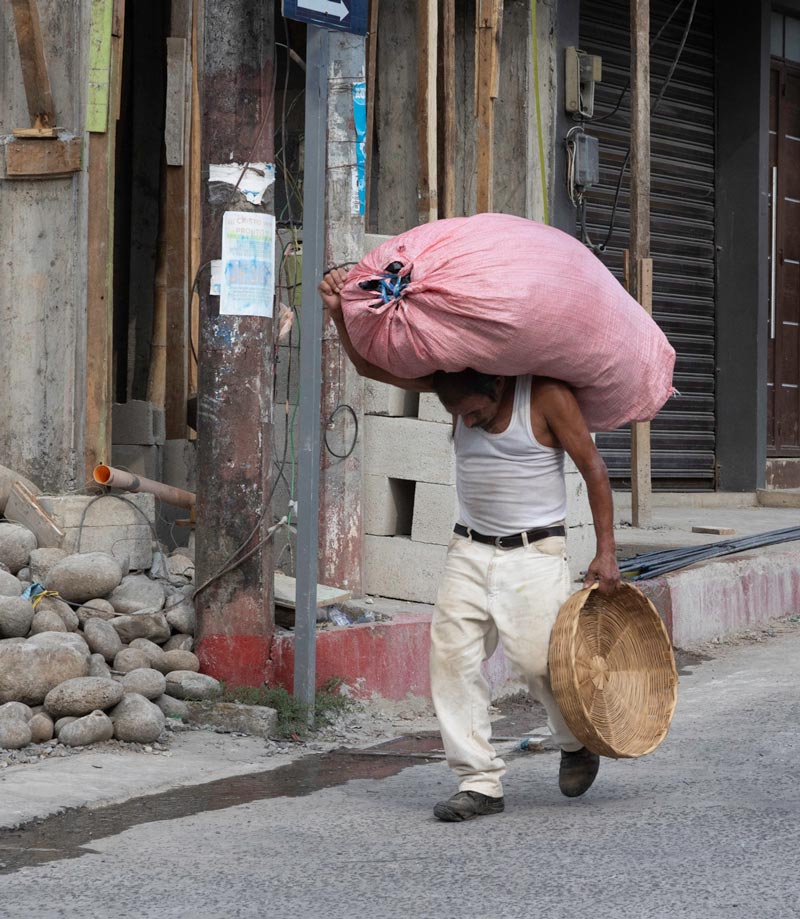
With the decline of agriculture, many residents now rely on informal service work such as cleaning, cooking, driving, or selling homemade goods, with limited and unstable income.

Hospital de la Familia was established here in 1976 to reduce these barriers and provide consistent, compassionate care. Today, it is the largest employer in the area, supporting over 180 jobs and strengthening economic stability for local families.

The hospital serves over 20,000 patients each year, including 35% who travel from Mexico, while also contributing to the local economy as families rely on housing, food, and transportation during their visits.
Economic & Educational Barriers
  • Families live on less than $5 per day
  • Limited job opportunities perpetuate the cycle of poverty
  • Climate change has made subsistence farming unreliable, increasing food insecurity
  • Seeking care often means lost wages

  • Out-of-pocket costs for transportation and medication delay treatment
  • Only 56% of people complete primary school

Environmental & Geographic Barriers

  • Patients often travel hours or even days to reach services

  • Mountainous terrain makes even short journeys difficult
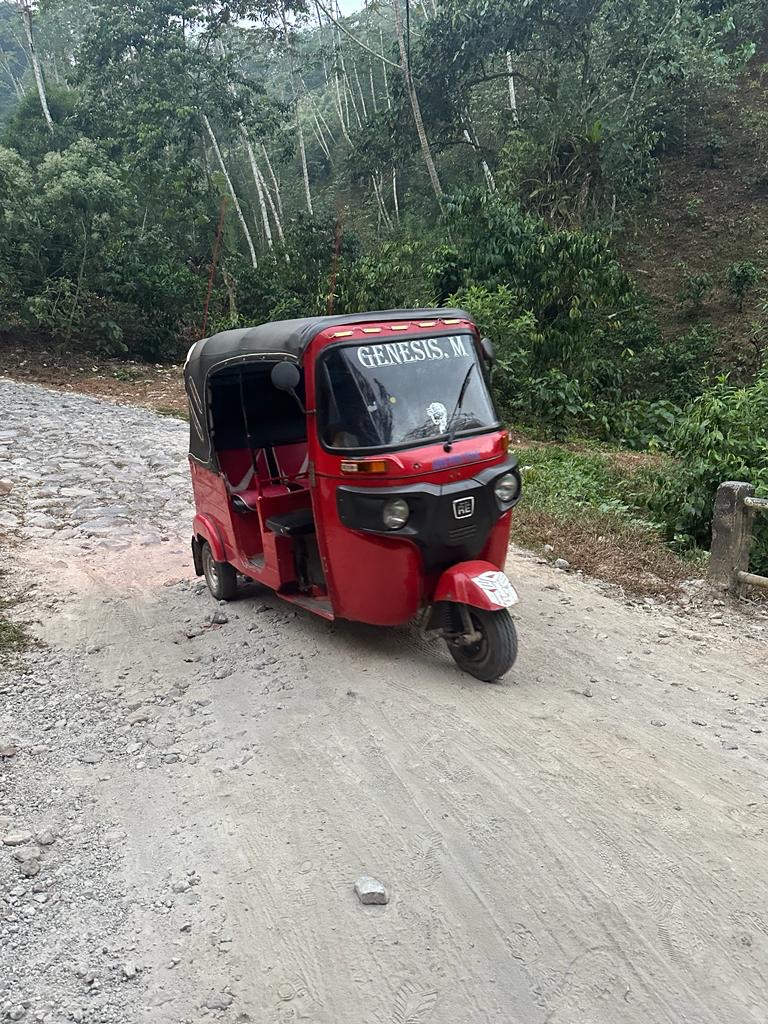
  • Transportation in the highlands is extremely limited
  • Torrential rains linked to climate change often make travel impossible

System & Health Challenges

  • There is just 1 doctor for every 10,000 people, with even fewer in rural areas
  • 75% of physicians are concentrated in Guatemala City
  • Public hospitals are overcrowded and under-resourced
  • Specialized care is largely unavailable outside major cities
  • Limited access to care causes preventable conditions to become chronic
  • Many patients delay treatment until conditions become acute

Cultural & Access Realities

  • Language differences make communication with providers difficult
  • Limited trust in formal healthcare systems can delay treatment
  • Traditional healers, including comadronas and herbalists, are often consulted first
  • The average age patients first seek formal care is 40
  • Delayed care often leads to more advanced illness at time of treatment

Why this Work Matters

This is where access changes everything.
This is where care reaches those who need it most.
This is where lives are changed, every day.